News

Aluminum Foil Container Supply Risks in Q4 2026: What Bulk Buyers Should Check Before Placing Orders

2026-10-16 0 Leave me a message

A calm benchmark price does is not equal to a normal physical supply chain. The first thing to do for B2B food packaging buyers this quarter is to confirm delivery costs, production turn-arounds and exact specifications before confirming purchase volume.

The aluminum market is showing complex signals in Q4 2026: Benchmark prices may ease but regional costs and current goods offering remain uneven. That distinction matters to companies sourcing aluminum foil containers for prepared meals, catering, baking, foodservice, and retail-ready products: the price of a finished container not just depends on the headline metal price.

In an analysis published on October 14, Reuters reported that disruptions affecting Gulf smelters and shipping had removed almost 3 million metric tons of aluminum production capacity. Increased output in Indonesia and higher Chinese exports of semi-finished aluminum products helped fill part of the gap, but regional physical premiums and exchange inventories continued to indicate pressure. Read Reuters’ October 14 market analysis. These figures describe the upstream aluminum market, not the price or supply situation of any specific finished container.

Why Should Container Buyers Care When The Upstream Market Is Stressed?

1. Benchmark price is just a starting point

Anyone new to bulk buying often thinks the London Metal Exchange (LME) price tells them everything. Not quite. There’s a cascade of costs between the LME price and your finished container: regional premiums, manufacturing and conversion costs, container specs (including lids and packing), freight, duties, and all the fine print in your supplier’s quote. Every supplier and destination market can throw in their own twists, too. Just to highlight: Reuters reported that, as of October, the duty-paid aluminum premium in Europe was about $559/ton above LME cash price. Over in the US, the Midwest premium was a whopping $2,312/ton—thanks, tariffs. These upstream numbers don’t automatically mean your per-unit container price is shooting up. The math isn’t that simple.

2. Local costs have a mind of their own

Maybe your team’s ordering for Europe, North America, or Asia—doesn’t matter, you can still end up with totally different landed costs, even if your supplier uses the same LME reference. Premiums, tariffs, port bottlenecks, freight rates, even the supplier’s inventory… they all shape your final costs. So don’t just look at price: check what’s included in every quote, the currency, and the delivery terms.

3. Availability depends on your exact specs and SKUs

Ordering a standard tray is a different story from a custom-built project. Details like size, foil thickness, rim shape, printing, lid compatibility, and sealing matter—a lot. Don’t just accept a single forecast for delivery on a mixed SKU order. Pin down lead times by individual SKU.

A Q4 2026 Purchasing Checklist For Aluminum Foil Containers

1. Ask what the quotation actually covers

Request the supplier to verify the quotation validity date, currency, MOQ, delivery basis, packing and lid options, delivery lead time, and scope of packaging. For any quotation that is subject to change on raw-materials or freight rates, find out how and when an escalation would occur. A lower unit price does not necessarily equal lower landed cost if significant items are missing.

2. Lock down the product specification in writing

For each of your high-volume SKUs verify its proof points that drive fit, function, and repeatability:
Shape of container, top and bottom sizes, height, and pernet capacity.
Specification or weight of foil, agreed tolerances and dimensions, and significant structural elements.
Rim profile, stacking requirements, embossing or printing, and the approved lid / sealing option.
Qty of cartons, pallets or ship configuration, and outer labeling and SKU identification.
Information related to food-contact materials and their appropriate-application specific to the customer's target market, the type of food, and heating and storage conditions.
Confirm samples are correct to drawing and real world use. Oversize is not enough: lids fit, stackability, sealing, fit in the packing line, and ease of handling can be as important in a regular food production system.

3. Separate repeat orders from custom development

When schedules are hush, consider whether existing container formats meet the food, portion and packing requirements. If common sizes are used, approval of specifications may be faster, but new shapes, custom tooling, special printing, and non-standard lids will require additional design approval and sampling. Customization may be the most effective, but plan on it as a separate process that does not have the same lead time as a repeat order.

4. Share a realistic SKU forecast and delivery window

Provide the supplier with pricing estimates per-item, per-quantity, per-delivery window, when more than one container sizes, lid type is needed. Request a rejection by SKU and sign off on the process for quantities changing. Consider whether split deliveries are available for staggered delivery, and whether split is going to impact freight, packaging, or pricing. The point is not to order automatically but to share enough with each other for planning.

5. Evaluate supplier communication-not only the first quote

In a volatile marketplace, good, effective communication has its real value. Buyers should be aware of who they will communicate with for the confirmed production schedule, how specification changes are to be recorded, when samples and artwork are due for approval, and how schedules or material substitutions that threaten to cause delays are to be escalated. A fair question is: if an SKU is hard to schedule, what other standard format could perform the same function?

6. Compare total landed cost and avoid panic buying

Just because LME prices fall doesn't mean container prices will instantly come down. Don't build supply pressure to buy way above estimated demand. Sitting on inventory limits cash flow, and changing specs at the last minute could result in quality or logistics problems. Evaluate the delivered cost, timing, approved specs, supplier acknowledgment, and commercial terms all together.


How Market Pressure Actually Affects Finished Food Packaging

You can’t just look at metal-market headlines and expect them to tell you what you’ll pay for finished aluminum foil containers. It’s way messier. Sometimes converters have stock they bought before prices changed. Then throw in regional premiums, forming costs, packing, freight, even commercial terms—all shifting in their own ways and at their own pace. So, when you see market news, don’t treat it like a magic formula for pricing. Use it as a reason to ask smarter questions. When talking costs, break it down: there’s the aluminum reference price, the extra charges tied to actually getting the metal where it needs to be, the work needed to turn that metal into your specific container, and then what it costs to pack and deliver it. Sometimes suppliers lump all these together, sometimes you just get a unit price. Always pin down exactly what’s included so you can really compare offers. Specs matter a lot. You can’t compare a deep rectangular container with a particular rim and lid to a lighter, differently shaped one just based on price per piece. If a quote covers an existing mold, don’t assume you’ll get a new shape, custom embossing, special color, or different lid for that price. Everything—configuration, quantity, packaging, delivery terms—needs to match if you want your price comparisons to make sense.

What Should Check When Buying In Q4

No matter repeat orders and new projects, skip the habit of relying only on market headlines. Focus on these practical signals:

- Quote validity: Check when the offer expires, which currency it’s in, what’s included and how you update it if things change.

- Lead time by SKU: Make sure timing covers every size, lid, customization and quantity in your order.

- Delivery conditions: Know exactly where it’s going, which delivery term applies, if freight’s included, how it’s packed and who’s on the hook for each cost.

- Approval status: Figure out if samples, drawings, artwork, food-contact paperwork, or lid checks are still unfinished.

- Communication milestones: Set out when you’ll get production updates, shipping details, info about any delays and who’s in charge of follow-up.

All in all, don’t let the outside headline news distract you from the key details. Ask questions and get clear, then make sure you know exactly what you’re signing up for.

Keep Your Supply Chain Moving Without Too Much Stock

Keeping your supply chain running smoothly does not just about buying extra goods. Too much inventory ties up cash, eats up space, and can quickly turn into waste if packaging specs change—like a new label, size, or portion format. The right stock levels depend on things like how much your sales swing up and down, how long it takes your supplier to deliver, how much you can actually store, and what it’ll cost you if a shipment is late.

To get a handle on all this, sort your products. Group regular items with stable specs together, seasonal products with clear deadlines in another pile, and keep all those new custom projects in their own list since they might still need design tweaks or sample approval. For regular reorders, let real sales data guide your forecasts. Lock down final order dates for seasonal items, leaving a buffer for any last-minute changes—like adjusting designs, getting samples, or sorting out tools and approvals. If you’re breaking deliveries into stages, check how that messes with your shipping, packing, and costs—then nail down dates for every milestone, from signing off samples to getting products out the door.

What to Verify When Evaluate An Aluminum Foil Container Manufacturer

Supplier profiles help with shortlisting, but scale figures do not guarantee immediate availability for a specific SKU. Ask the manufacturer to review your specification and confirm approval steps and delivery milestones in writing.

Separate company-level quality credentials from evidence for a particular product and intended use. Request current documents and check the issuer, validity, scope, and relevance to the destination market. Food-contact documentation should match the product configuration and intended conditions; a general company certificate does not prove that every container, lid, seal, or coating meets every market requirement.

Though export experience can help a supplier understand different customers' requirements, buyers should still state the destination country, food type, temperature exposure and storage or heating conditions so that applicable product information can be reviewed before approval.

Case in point: Yunchu Aluminum Foil

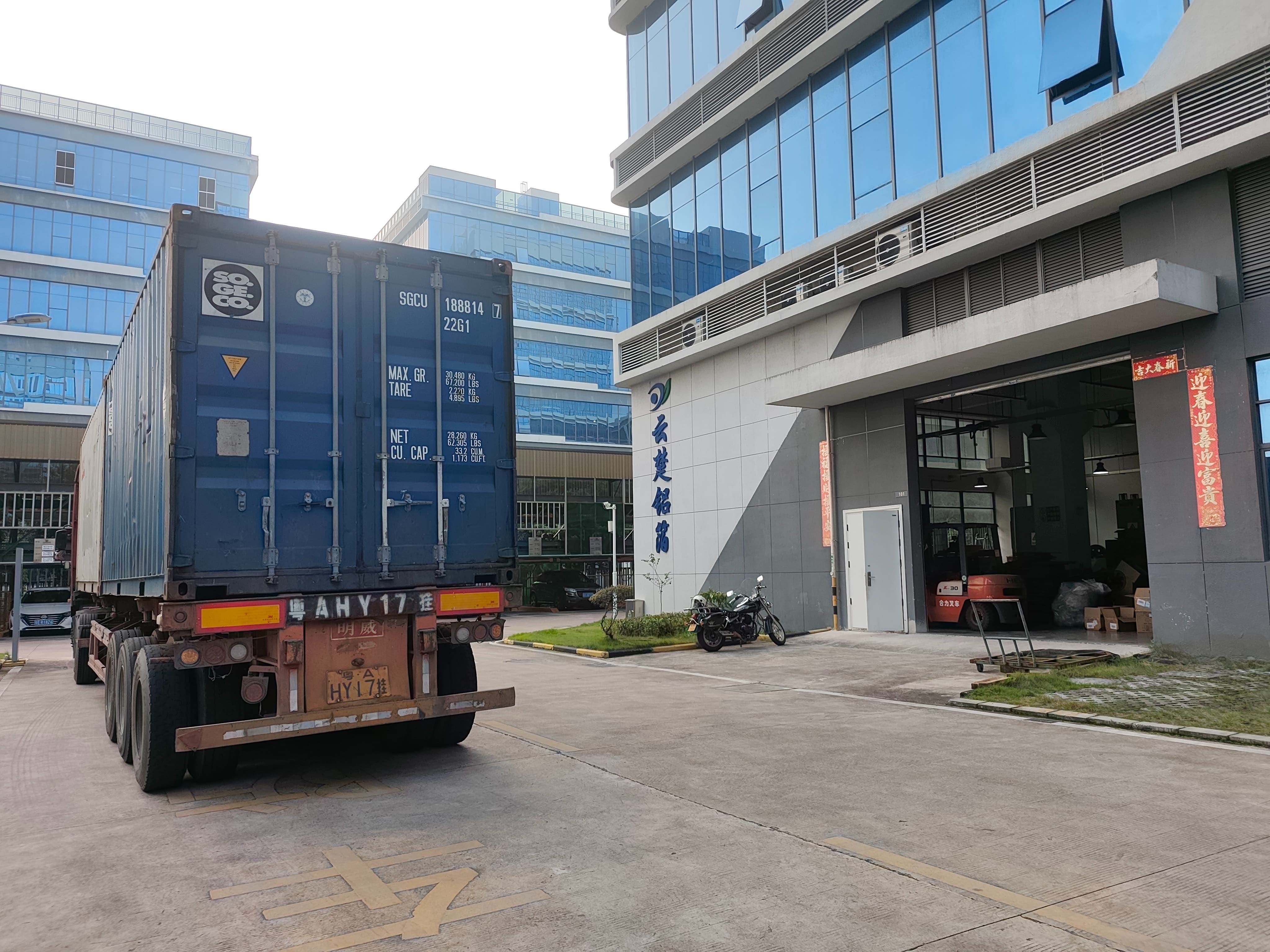
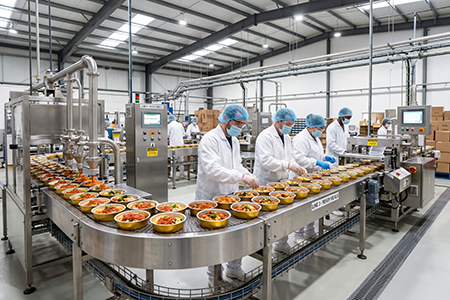
Yunchu’s been around since 2004 and turns out hundreds of millions of units each year. Their process covers everything, from making molds to packing and loading. If you have a custom project, get agreement on key delivery milestones early.

Looking for specific formats? Here’s where to start:

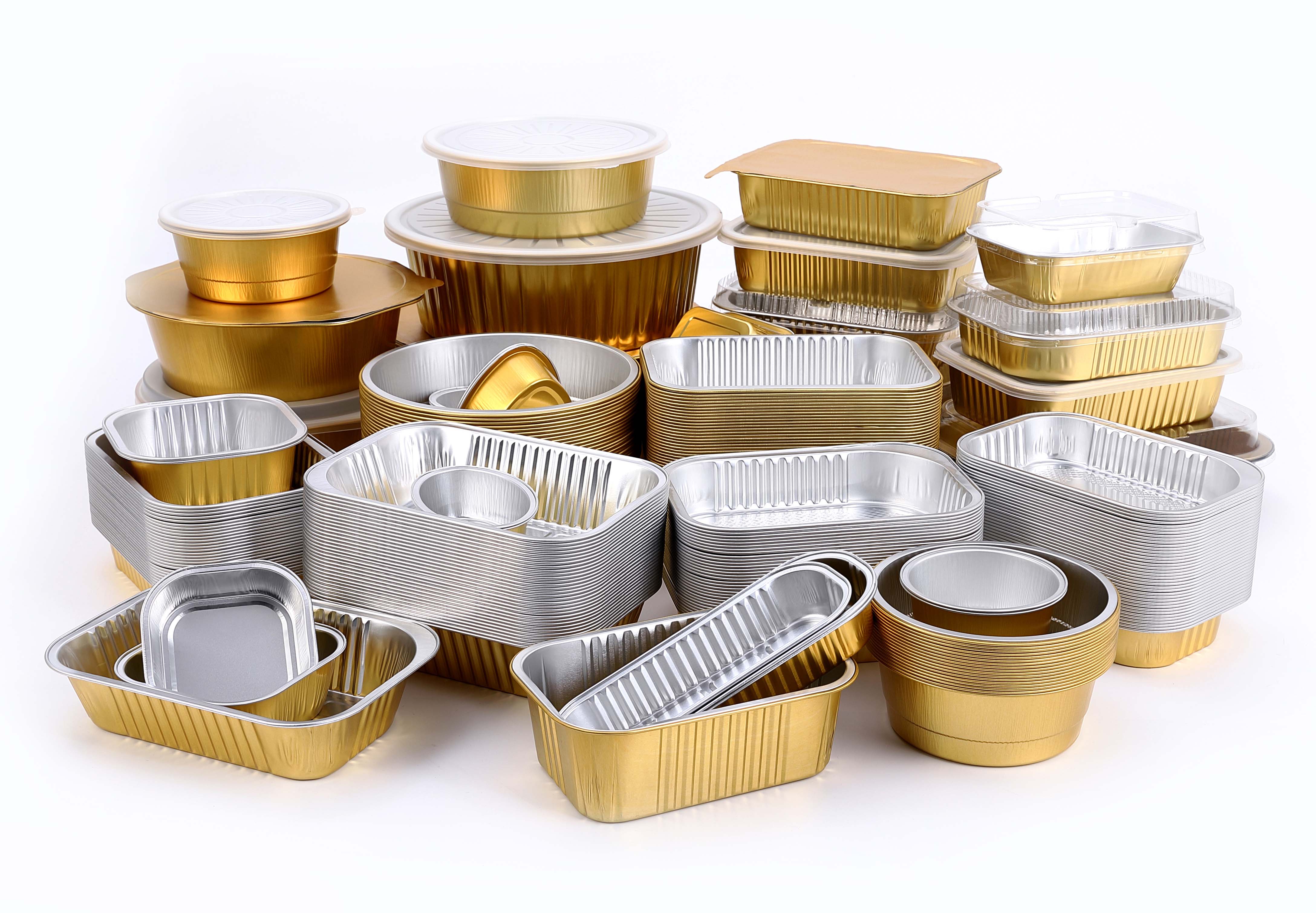
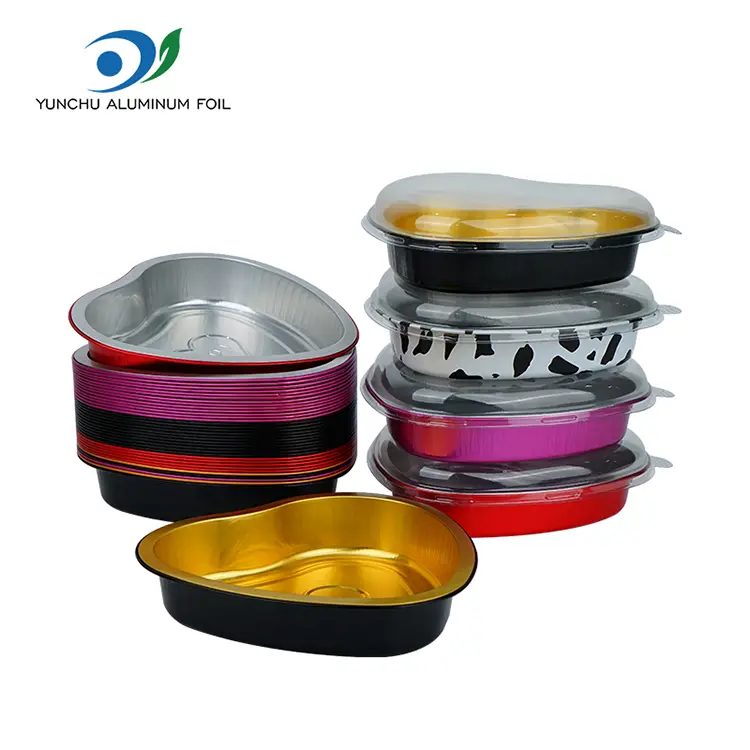
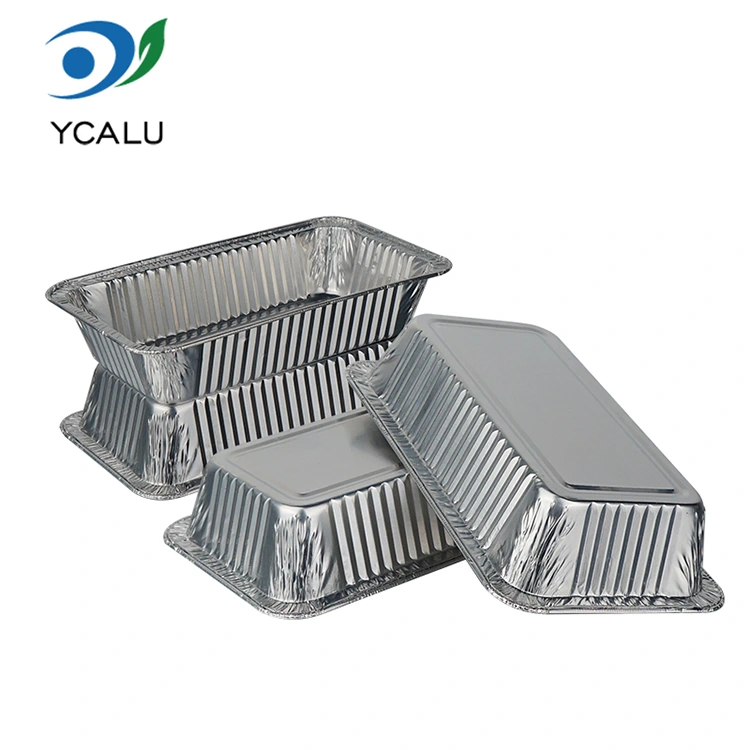
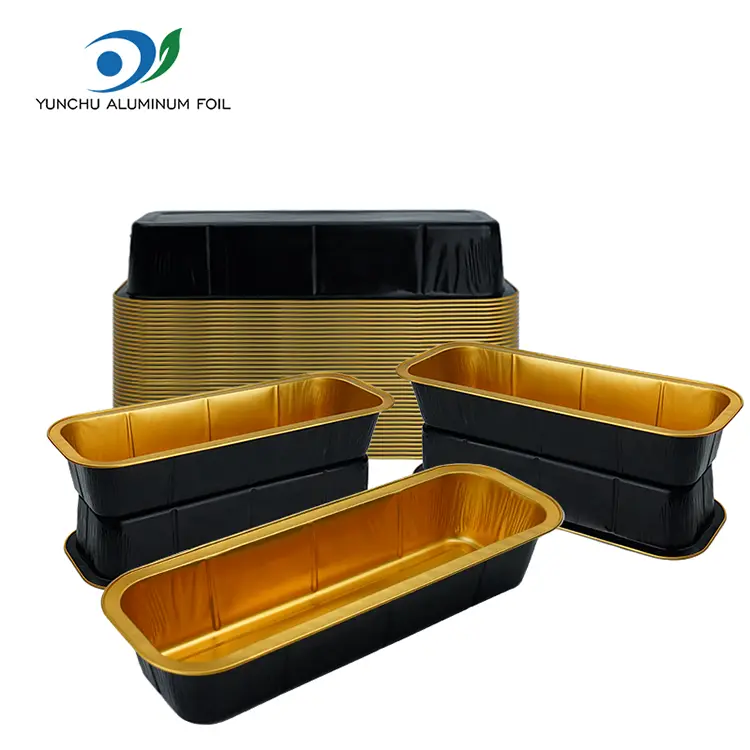
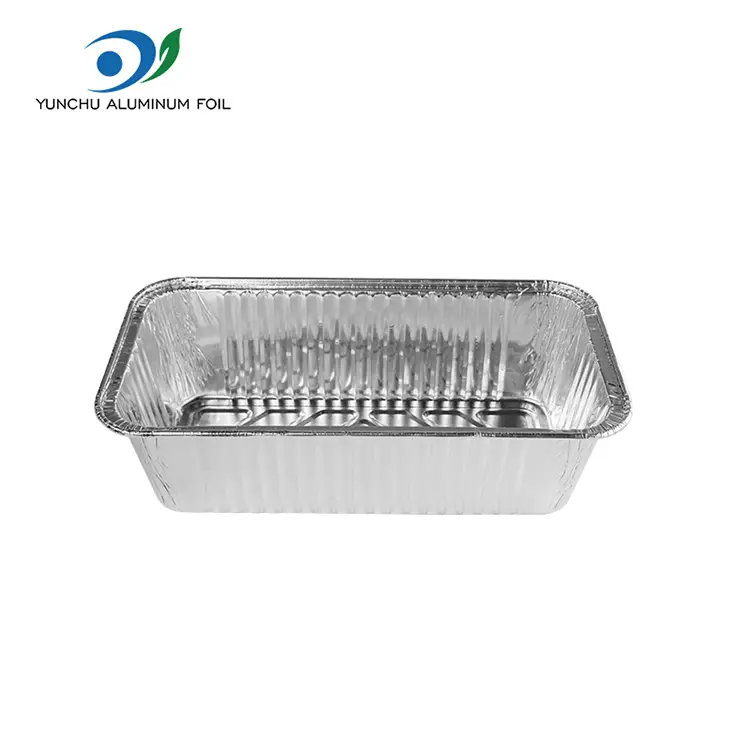
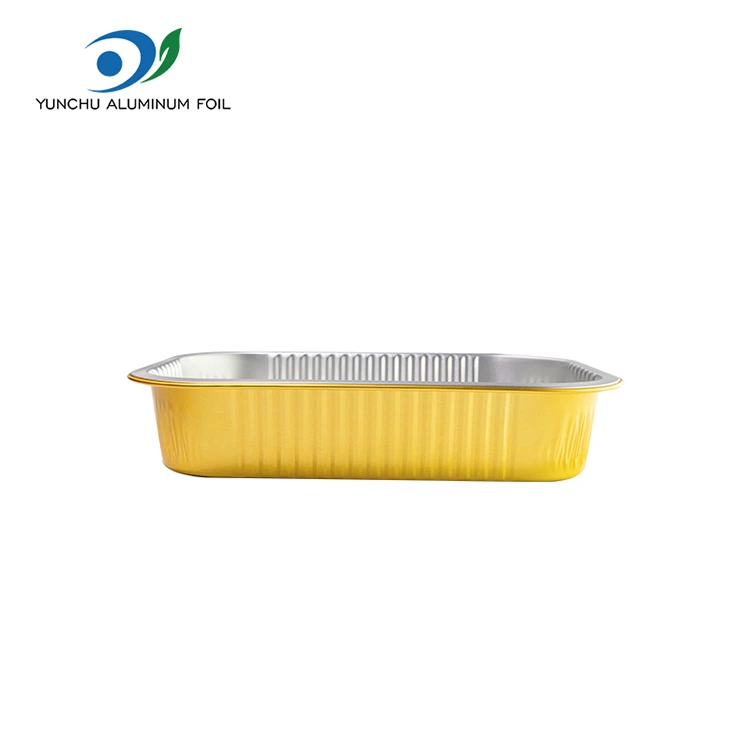
- For smoothwall containers or tailored projects, check their Smoothwall Aluminum Foil Containers.

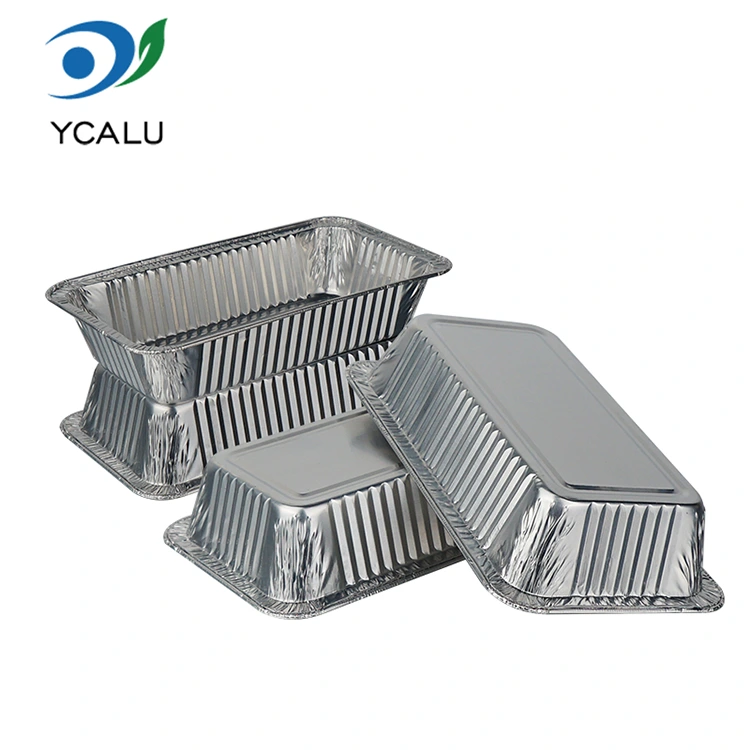
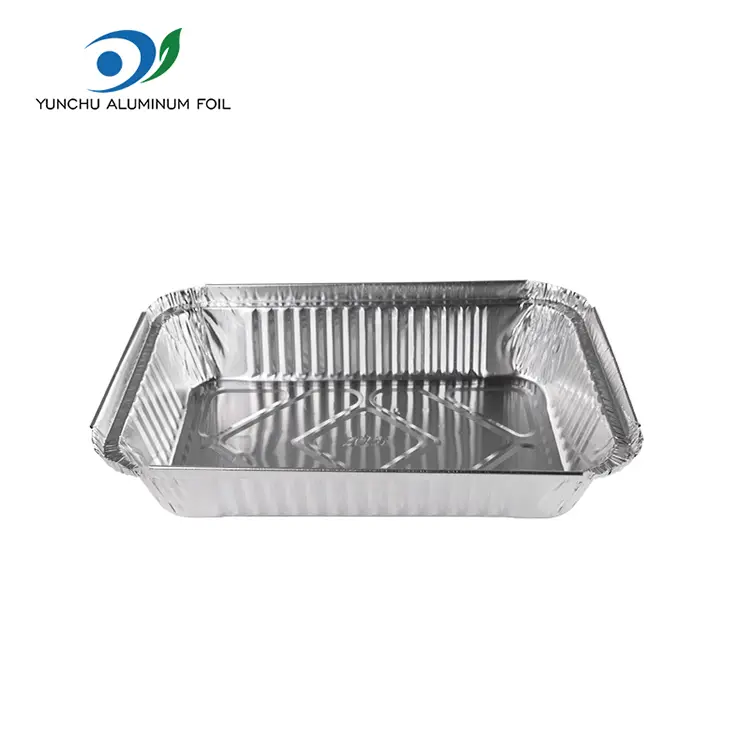
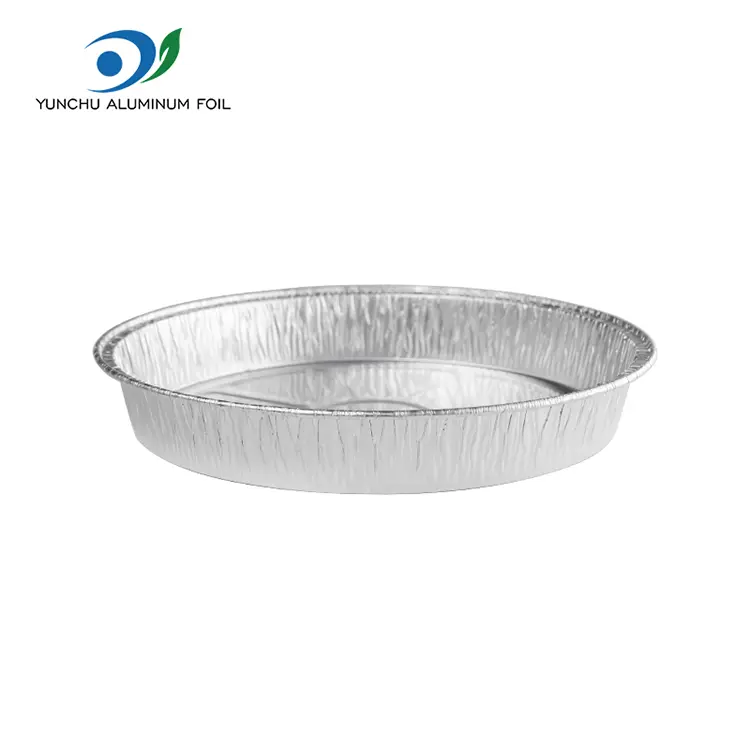
- For classic silver formats in catering, see Silver Aluminum Foil Containers or Catering Silver Aluminum Foil Containers.

- For airline or portion-serving programs, look at Airline Meal Aluminum Foil Containers.

- For baking or portion packs, try Baking Cups Smoothwall Aluminum Foil Containers. Pick the right category, but always double-check the final model against your needs—size, lid, order size, destination, and timeline.

How To Get A Reliable Quote From Your Supplier?

 A clear, focused quote request makes life easier for everyone. When you reach out, include:

- How the product will be used—baking, ready meals, catering, takeout, display, etc.

- Target size or capacity, preferred shape, any specific foil needs, and your estimated order quantity.

- Lid or closure details, and whether you need heat sealing or special storage.

- Branding requirements—think logo embossing, printed art, labels, sleeves, or custom cartons.

- Where it’s going, your delivery window, and any required product paperwork.

For food packaging, the specifics really matter. Container, lid, seal, food type, temp, and equipment all work together as a system. Don’t just accept a generic material statement—make sure the proof matches how you’ll actually use it.


Why Food Packaging Buyers Choose Yunchu

Founded in 2004, Foshan Yunchu Aluminum Foil Technology Co., Ltd. specializes in the R&D, production, and sales of aluminum foil containers. The company’s published profile describes a manufacturing operation supported by automated production lines, an R&D team, and a dedicated quality inspection center. For B2B buyers, this background provides a basis for discussing repeat-order requirements and custom specifications with a manufacturer focused on aluminum foil packaging.

Planning your next bulk order? Send Yunchu your target dimensions or capacity, estimated quantity, lid preference, destination market, and required delivery date. The team can review your requirements and help you explore suitable aluminum foil container options.

Request a Bulk Aluminum Foil Container Quote →

Frequently Asked Questions

Does a tight aluminum supply automatically lead to higher prices for aluminum foil containers?

Not necessarily. While upstream premiums and inventory levels serve as important early warning indicators, the price of finished containers also depends on factors such as the supplier’s raw material reserves, processing costs, product specifications, order quantities, lid and carton configurations, freight charges, tariffs, and quotation terms. We recommend requesting the latest quote directly rather than simply estimating unit prices based on fluctuations in the metal market.

Given the tight supply in the aluminum market, should buyers significantly increase their order volumes?

Not necessarily. A more prudent approach should be based on a multifaceted assessment: realistic demand forecasts, supplier-confirmed lead times, inventory costs, warehousing capacity, and the risk of potential changes to product specifications. Where business conditions permit, buyers may negotiate with suppliers regarding split shipments or staggered deliveries.

What documents should be requested before importing aluminum foil food containers?

Clearly specify the product’s destination, the type of food to be packaged, the temperature range, storage conditions, and whether the containers come with lids, seals, coatings, or printed designs. Subsequently, request the latest technical specifications and food contact compliance documents tailored to the specific product and its intended use. Be sure to verify the issuing authority, validity period, scope of application, and relevance of the documents to the target market; if necessary, also confirm specific local regulatory requirements with your import partner or compliance advisor.

How far in advance should buyers place orders for repeat purchases or custom orders?

Lead times vary by container type. For repeat orders with confirmed specifications, the delivery process may differ from orders involving new designs, mold development, print designs, or unconfirmed lids. Once the product model, quantity, samples, design drafts, packaging, and documentation requirements have been finalized, be sure to confirm the specific timeline with the supplier. If seasonal demand is a factor, it is recommended to work backward from the “expected arrival date” and set an internal deadline for final approval.

Related News
Leave me a message
X
We use cookies to offer you a better browsing experience, analyze site traffic and personalize content. By using this site, you agree to our use of cookies. Privacy Policy
RejectAccept