News

2026 Ready Meal Packaging Trends: What Food Brands Need from Aluminum Foil Containers

2026-10-09 0 Leave me a message

The ready meal market is no longer just about saving time. As life moves faster the way people eat is changing. Consumers now want meals that match their health goals fit into lifestyles and work for many kinds of eating moments. This means retailers, food makers, foodservice providers and companies that sell to-cook foods are raising the bar for packaging suppliers. Simple trays are not enough anymore. The packaging needs to support every step of the meal journey. From making the food to storing it heating it shipping it showing it off and finally disposing of it.

According to Circana’s 2026 Eating Patterns in America report 86% of all food occasions in the U.S. Happen at home. Nearly half of adults say they want protein in their diets.. Half of all meals today take less than five minutes to prepare. For brands selling meals this brings up a key question: Can the container keep up with how consumers buy, heat, store and eat prepared food?


Ready Meals Are Becoming Faster, Flexible and More Specialized


Convenience still plays a big role when people choose ready meals.. The category is growing more varied based on when and where people eat and how they cook the food. Circana’s 2026 research shows that home remains the center of eating habits while protein and speed stand out as trends. A real-life example comes from ALDI’s September 2026 launch of made meals. They offered five single-serve options and two family-sized meals all highlighting protein- recipes and quick prep times as main benefits.

At the time U.S. Consumers don’t want convenience if it means giving up nutrition or quality. Circana found that 48% of adults are trying to get more protein in their diets. Up seven points from last year. In restaurants and foodservice meals labeled protein are also becoming more common. That means ready meal manufacturers are adding types of products to their lines:

- Individual portions for people who live alone or have busy routines

- Family-size meals for dinners at home

- High-protein meals and meal-prep kits

- Ready-to-heat chilled or frozen meals

- Restaurant-style prepared meals

- Deli items and grab-and-go snacks sold in stores

- Catering and large-volume meal programs

From a packaging point of view these different offerings mean one standard container won’t work for everyone. Brands need a range of solutions instead.


What These Trends Mean for Ready Meal Container Purchasers?


1. Heating performance matters more than ever

Your meal might get frozen, chilled, driven across town, displayed in a store—then finally heated at home, either in an oven or microwave. So, packaging can’t just look good; it must work for the entire journey. Aluminum foil containers are a favorite in the meal game because they handle both cooking and freezing, plus you can pair them with lids for specific sealing needs. The European Aluminium Foil Association likes aluminum for everything from single portions to family feasts.

For business buyers the important question isn’t simply: "Is aluminum foil heat resistant?" It is: "Will this tray lid and seal combination actually work with our heating, storage and distribution process?”

Heating claims must always be tested using the packaging, lid and equipment together. This is especially true for microwave- meals. An aluminum tray should not be called microwave-safe. For oven-chilled or frozen meals aluminum packaging can be tested against actual ovens, storage conditions and delivery systems.. For microwave use the whole package must be specially tested and approved for the intended appliance and use scenario.


2. Portion flexibility is becoming a packaging requirement

The rise of single-person meals doesn’t mean family-size formats are disappearing. Instead brand owners are serving eating situations at the same time. A recent example in the U.S. Is ALDI’s September 2026 meal launch. It included five single-serve meals and two family-sized meals. All were marketed as fresh never frozen and ready to heat. The single-serve meals had 30 to 46 grams of protein each. The family meals had 16 to 22 grams per serving. Their heating instructions also show usage patterns: microwaving for single servings and oven use for larger ones.

This creates a need for flexible packaging sourcing. A manufacturer may require:

- Smaller trays for meals

- Larger containers for family portions

- Deep trays for dishes with sauces

- Shallow trays for meals meant for presentation

- Round containers for certain meal concepts

- Rectangular trays for standardized retail sales

- Compartmented designs for meals with multiple parts

Working directly with a manufacturer can help make this easier. Of forcing every product into one tray shape brands can design packaging around the actual food format.


3. Transport stability matters after production

Many people think packaging issues stop once the meal is sealed.. That’s not true. Before reaching customers ready-to-eat meals often pass through kitchens cold-chain logistics, warehouses and retail distribution and delivery systems. A container that looks fine on the production line can cause problems if it bends, stacks poorly or doesn’t fit its lid properly. Dimensional consistency and stable molding are essential for food producers. Even small packaging differences can break the seal stacking, reduce transport ability or ruin the final look of the product.

This is especially important for large-scale B2B buyers. One tiny inconsistency repeated across thousands of units can become an operational challenge.


4. Packaging sustainability is moving from marketing to purchasing criteria

Sustainability is no longer a message for brands to promote. In Europe the Packaging and Packaging Waste Regulation will go into effect on August 12 2026. This sets a rulebook across the entire European Union for packaging and waste. At the time regulations are focusing more on material makeup, recyclability and rules for food-contact materials. For companies selling in Europe packaging specs now need to follow the PPWR framework not just be used for advertising.

Aluminum plays a part here because it is a valuable recyclable material. It can be recovered through existing recycling systems where collection infrastructure exists.. For clients the conversation should go beyond saying "eco-friendly" on the label. Better questions include:

- What material is being used?

- Can the packaging fit inside the target market’s recycling system?

- Does the lid or coating affect recyclability?

- Can the packaging cut down on material or extra layers?

These questions are now part of packaging planning for brands operating in multiple regions.


Why Aluminum Foil Materials Fit Modern Ready Meal Formats?


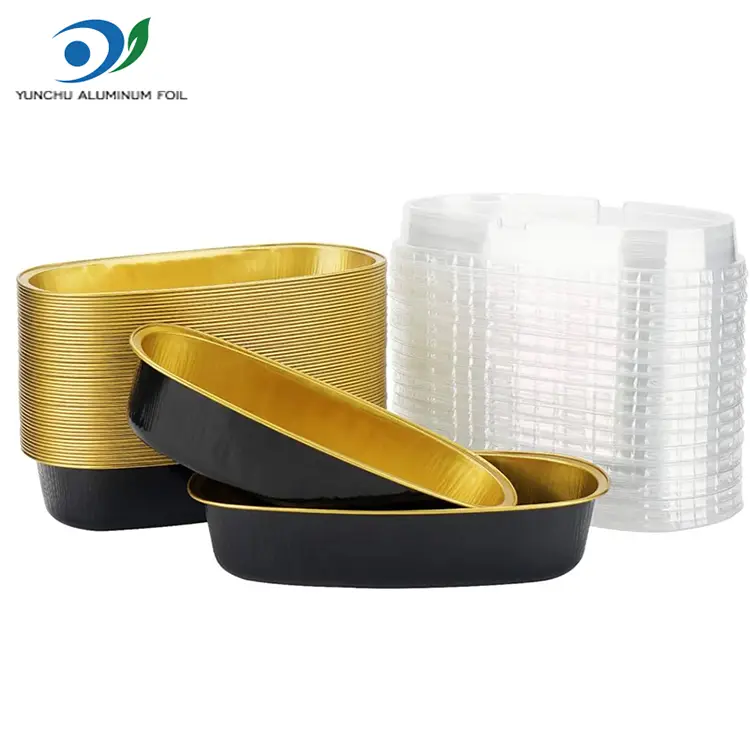
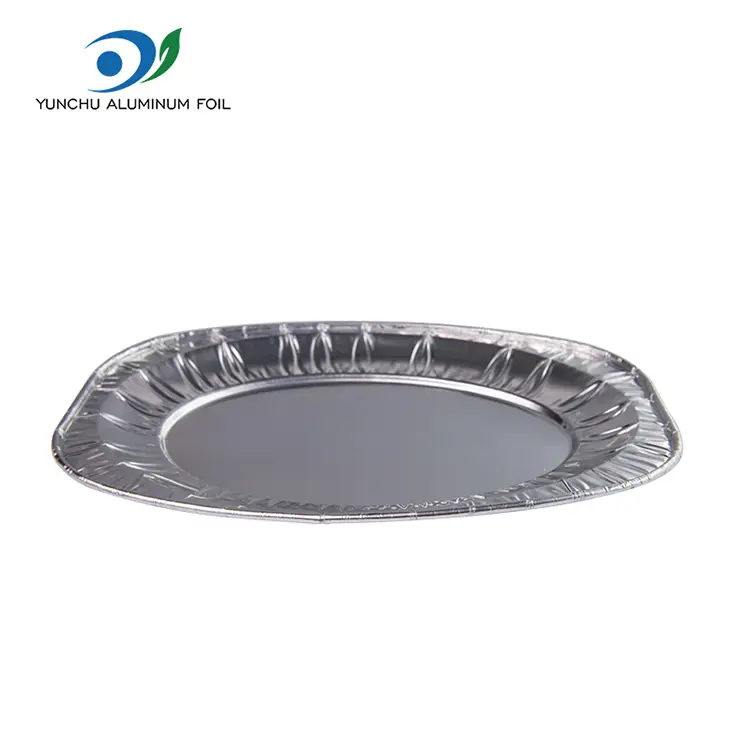
There is no packaging material that works for every food product.. For many ready-meal applications aluminum foil containers offer a strong mix of thermal ability shaping potential, protection and format variety. According to the European Aluminium Foil Association aluminum foil containers can come in shapes and sizes. Round, oval, shallow, deep and even with compartments. Smoothwall designs can also pair with lids, including heat-sealable types.

For meal makers this flexibility supports various strategies without needing to switch the whole packaging system. A rectangular tray may work well for supermarket meals. A deeper container might suit pasta saucy dishes or roasted foods better. A compartmented tray helps separate parts of a meal. A smoothwall design could be best when presentation and sealing matter most. The right choice starts with the meal itself.


What Happens When Yunchu Aluminum Foil Containers Meet Ready Meals?


Right now, there’s no clear “winner” when it comes to ready meal trays. The U.S. market isn’t leaning one way either. If you look at 2026 product launches, you’ll see everything—single-serve refrigerated meals, high-protein packs, family-size dinners for the oven. At the same time, more folks are eating alone at home, at least according to Circana.

For Yunchu, it makes sense to match the tray to the meal. Every dish needs something a bit different: size, depth, shape, how it closes. You can’t just use one container for everything. Yunchu gets this—they offer a range of aluminum foil trays, from single-serve to multi-compartment to family-size.

Current ready meal format

Yunchu models to consider

Why the match makes sense

Single-serve chilled meals, meal prep and compact main dishes

M350, M500, MF650, MF580, MF720, CF350, CF450

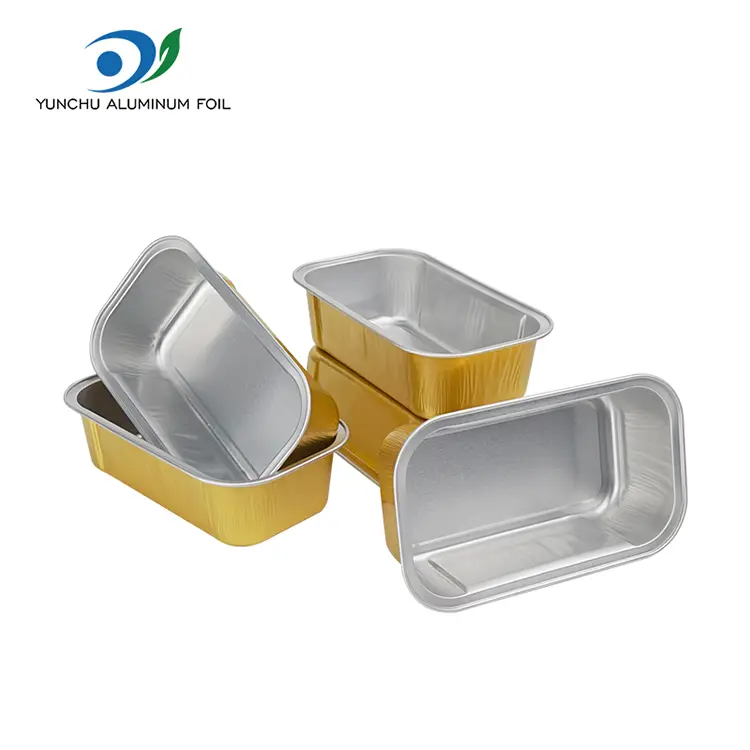
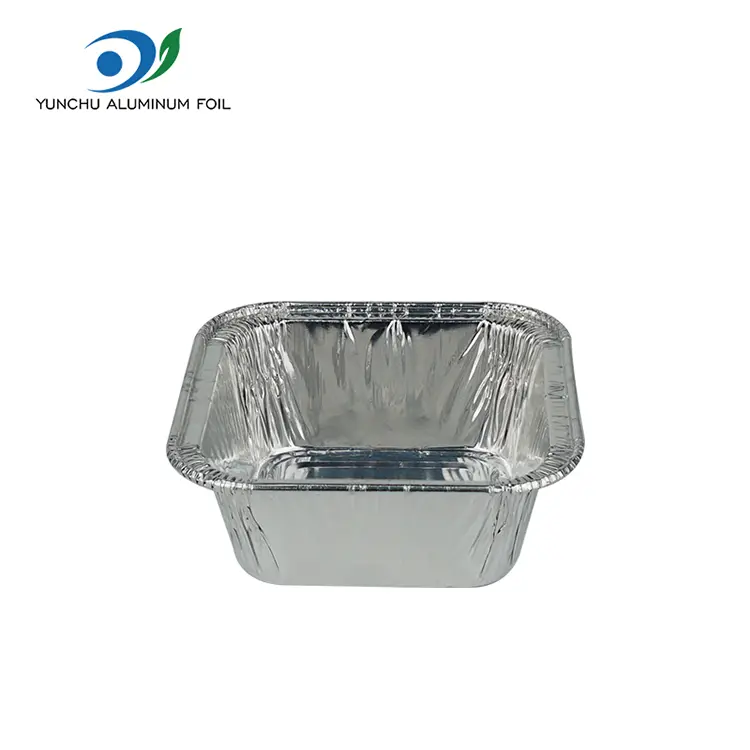
These smaller and medium-capacity formats can suit individual portions, prepared meals and meal-prep products. The range includes square, rectangular and round options, allowing buyers to select a footprint and depth according to the meal format. CF450, for example, has a 450ml capacity and is specifically described for single-serving dishes, prepared-food production lines, takeaway and refrigerated food.

Standard rectangular ready meals and oven-ready retail trays

MF880, MF1000

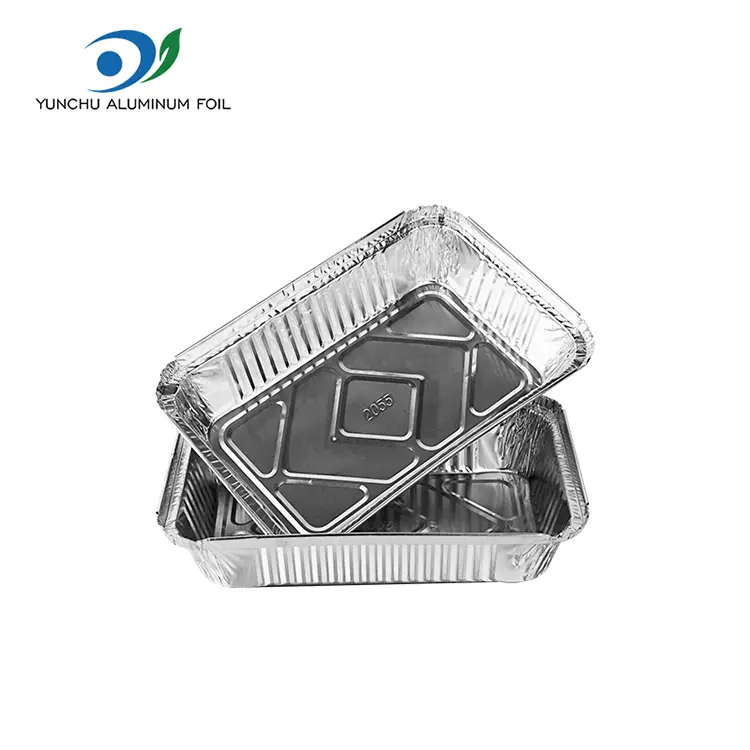
The rectangular formats are suitable when footprint, stacking and consistent portion presentation matter. MF1000 is particularly relevant to ready meals: it has a 1000ml rectangular format, supports PET, PP and heat-sealing foil lids, and is explicitly listed for ready meals, baked foods, roasted meats, meal-prep services and takeaway packaging.

Saucy meals, rice bowls, pasta and mixed round-format concepts

CF450, CF600, CF1200

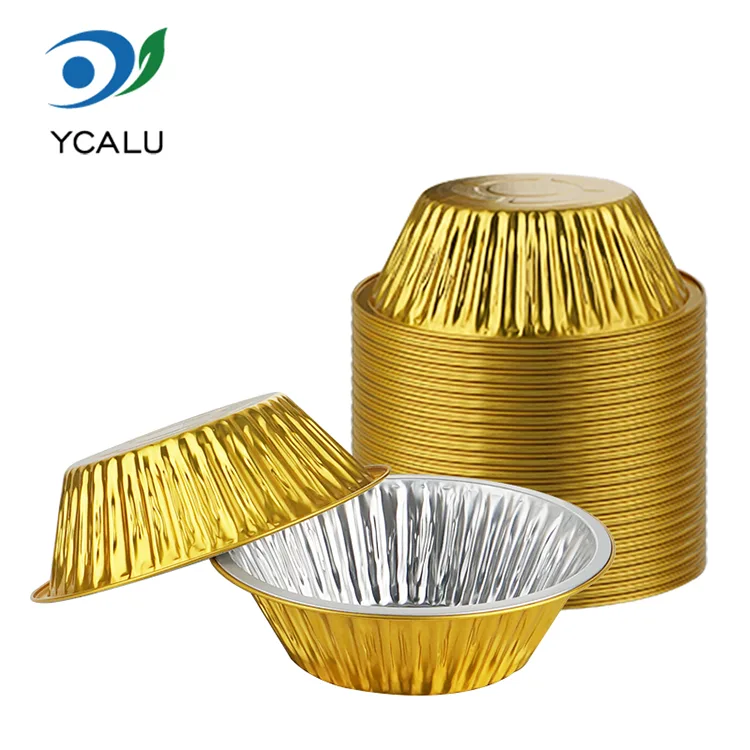
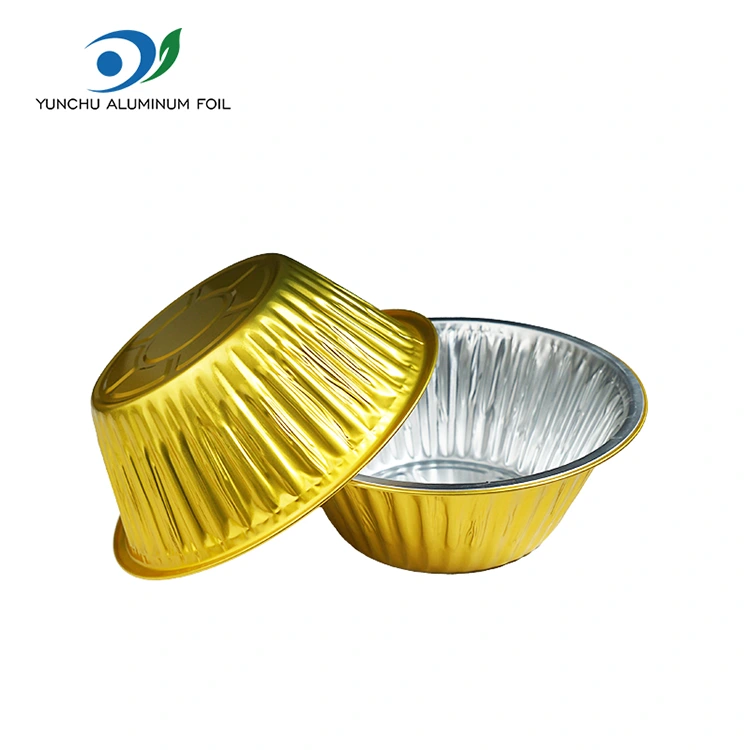
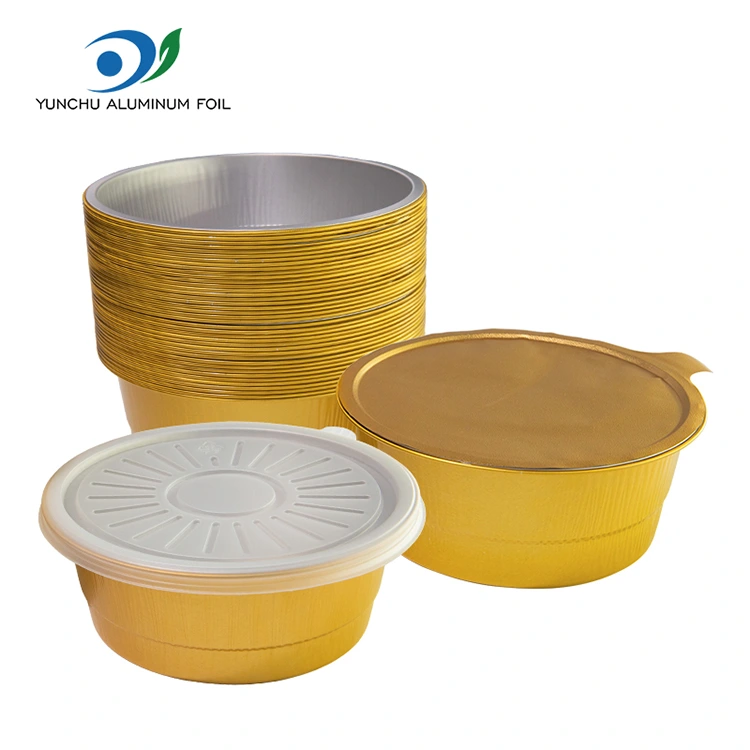
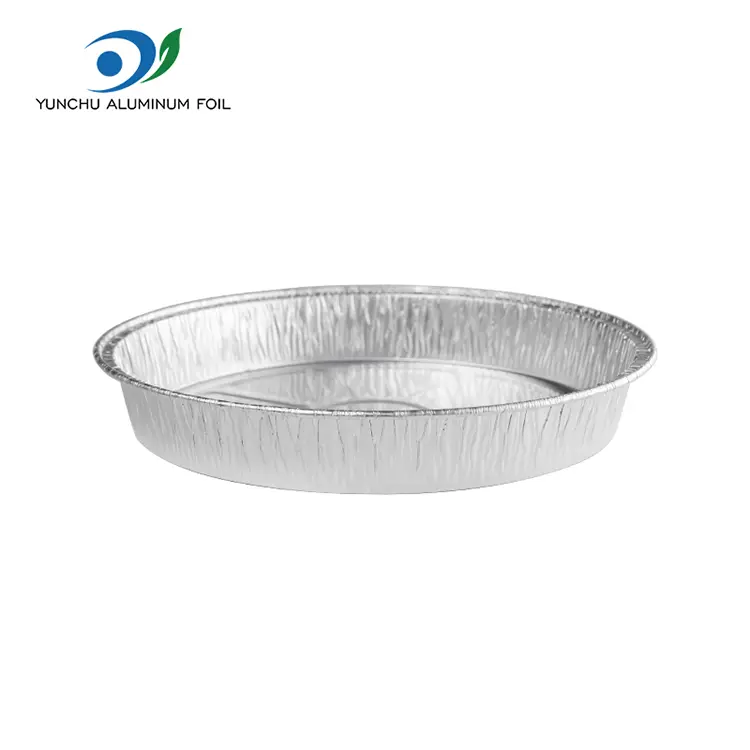
Round containers provide an alternative to rectangular ready-meal trays for foods such as pasta, rice-based dishes, sauced meals and other prepared foods. CF450 is a 450ml round format for single-serving and prepared-food applications, while CF600 provides a deeper 600ml round format for food that benefits from additional depth.

Family-size and larger ready-to-heat meals

EF1360, CF2000, CF3000, MF1400, MF3500

These larger-capacity formats are more appropriate when the meal requires additional volume, deeper filling space or stronger transport support. EF1360 provides about 1360ml and is described for prepared meals, baked dishes and family-size portions; MF1400 provides about 1400ml with reinforced construction for large portions and cold-chain food; CF3000 provides 3000ml for family-size meals, prepared food and supermarket deli applications; MF3500 reaches 3500ml and is designed for large-volume catering, central kitchens and supermarket cold-chain packaging.

Multi-channel food service and airline-style individual meals

2311-31, 2312-32

These smaller aviation-oriented formats are designed around defined individual meal portions and foodservice requirements. Yunchu's airline-meal category lists 2311/320ml and 2312-32/400ml formats, while the 2311-31 wrinkle-free model is about 360ml and is positioned for airline catering, takeaway and group meal supply.


The matrix points out a limitation too—not all fast-heating ready meals come in aluminum-foil containers. If you look at what’s out there now, plenty of single-serve meals are made for the microwave. That means Yunchu should really push aluminum where it counts: ovenable options, meals that need to be kept chilled or frozen, stuff that's got to survive shipping, needs a good heat seal, or comes in big, family-sized portions with different compartments. When it comes to microwaves, Yunchu should only bring that up when the system actually requires it, not just as a generic selling point.


A Better Way to Source Ready Meal Container


For B2B buyers choosing an aluminum foil container supplier should not begin with the unit price. A useful sourcing checklist includes:

- Meal format: What type of food will be packed?

- Portion: Is it single-serve, family-size or bulk catering?

- Heating process: Oven, chilled, frozen or another validated heating method?

- Container dimensions: What capacity, depth and footprint're required?

- Lid: PET, PP, foil or another sealing solution?

- Distribution: How will the meals be stacked, transported and displayed?

- Customization: Is a standard mold sufficient or is a custom shape/size required?

- Branding: Is embossing, printing, labeling or custom outer packaging needed?

When these details are clear from the beginning the packaging supplier can work as part of the product-development process of simply supplying a commodity container.

Supplier capability should also be part of the evaluation. Production capacity, available molds, standard model coverage, quality-control records, traceability and the ability to support an onsite factory audit can affect the reliability of a ready meal packaging program just as much as unit price.


How Yunchu Supports Ready Meal Packaging Projects?


For Yunchu the opportunity in the meal market is not simply to sell another aluminum tray. The important role is helping food manufacturers and foodservice buyers find a container that fits their actual product and supply chain.

Yunchu has specialized in aluminum foil containers since 2004. This gives meal buyers more than 20 years of industry experience. As a China-based manufacturer and National High-Tech Enterprise, Yunchu handles both product development and large-scale production, running over 20 automated production lines. With more than 1,000 molds for over 300 standard container models, they’re well equipped to meet a wide range of needs. Yunchu supplies customers in more than 50 countries and has partnered with over 500 brands, supporting everything from standard sourcing to custom packaging projects for ready meals.


The scale behind recurring meal programs

For food manufacturers and foodservice groups planning recurring or seasonal volumes, 20+ automated production lines provide a broader manufacturing base for repeat orders and multi-SKU programs. Production scale is useful when buyers need more than a one-off container and expect supply across several meal formats.


Model selection and custom tooling

Yunchu has over 300 container models and more than 1,000 molds, so they don’t treat every new ready meal packaging request as a whole new project. Buyers can pick from what’s already available—whether it’s the size, capacity, or compartment layout. If the standard options don’t fit things like the meal’s fill level, sealing system, or packing line, they can still talk custom: tweak the dimensions, shapes, or tooling as needed.

Quality control and supplier qualification

Packaging for ready meals sees high volume, and consistency is crucial—not just for the first sample, but throughout production. Yunchu runs a quality control center and uses batch traceability, which helps spot issues and track everything efficiently. Their supplier docs cover ISO 9001, food-grade certifications from SGS, and FDA-related compliance if needed. Still, it’s smart to double-check compliance based on the market you’re sending to, the food inside, how the materials are structured, and exactly how the packaging will be used.


International procurement support and remote factory review

Yunchu has supplied customers in 50+ countries. Worked with 500+ brand customers. This gives its team experience with packaging specifications and buyer qualification processes. For buyers who cannot visit China immediately video factory audits can be used to review production areas, manufacturing flow, quality-control procedures and packaging consistency before an onsite visit or larger purchasing program.


Our ready meal packaging capabilities can include:

Standard and Custom Container Formats

You can choose from existing container formats. Discuss customized dimensions, capacities and shapes according to their meal requirements. This is useful when a standard tray does not provide the right portion size filling depth stacking arrangement or presentation.


Flexible Lid Options

Different ready meal applications require closure systems. Depending on the container and application options can include PET lids, PP lids and heat-sealing foil lids. Yunchu’s rectangular ready meal containers for example are offered with lid options for different business requirements. The lid and tray combination should be assessed as one packaging system especially when a buyer specifies a heating method.


Branding and Product Differentiation

Ready meals increasingly compete on shelf visibility well as food quality. For projects packaging can be customized with options such as embossed logos, customized dimensions and other branding-related details. This gives food manufacturers room to build a consistent packaging identity rather than relying only on generic trays.


Quality and Food-Contact Requirements

Packaging consistency becomes especially important when the same meal is produced in volume. Yunchu’s current supplier documentation includes ISO 9001 quality management and SGS food-grade documentation with FDA-related registration or compliance documentation used where applicable. The company also maintains a QC center and batch traceability process. For buyers, certification and compliance should always be evaluated against the actual destination market, food type, material structure and intended use.


The Next Ready-to-Eat Packaging Question Is Not "Foil or Plastic?"


For buyers the more useful question is:

Which packaging structure gives our ready meal the right balance of heating performance, protection, portion size, presentation, logistics and market requirements?

That changes the sourcing conversation. Of choosing packaging after the meal has already been developed brands can involve the packaging supplier earlier. When portion size, heating method, lid design, transport conditions and retail presentation are still being defined.

For growing meal brands this can also reduce the need to solve the same packaging problem repeatedly for every new product launch.


Looking for Aluminum Foil Containers for Ready Meals?


Whether you are developing a ready meal upgrading from plastic trays expanding a supermarket range or looking for a more flexible food packaging supplier the right container should be selected around your product. Not the other way around.

Yunchu supplies aluminum foil containers for meals, catering, takeaway, bakery, airline catering and other food packaging applications with 300+ standard container models, custom tooling options and support, for bulk B2B programs.

Send us your meal type, required capacity, container dimensions, heating method, lid preference and estimated order volume. Our team can help you evaluate an aluminum foil container format for your application. Click here if you wonder information.

Related News
Leave me a message
X
We use cookies to offer you a better browsing experience, analyze site traffic and personalize content. By using this site, you agree to our use of cookies. Privacy Policy
RejectAccept